본문
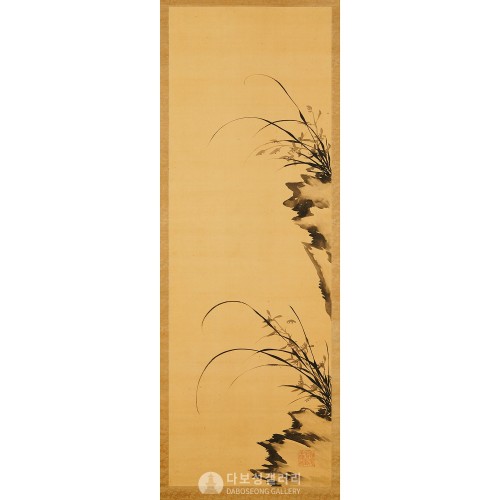
조선 말기 석파 이하응(石坡 李昰應, 1821~1898)이 그린 수묵 석란도(水墨 石蘭圖)입니다. 이하응은 조선의 마지막 왕 고종의 아버지, 흥선대원군으로 알려진 인물입니다. 난초 그림을 즐겨 그린 서화가로도 잘 알려져 있습니다.
화면에는 괴석 위로 난초가 자라는 모습을 수묵으로 표현하였습니다. 난엽은 길고 가늘어 끝이 예리한 형태이며 농묵(濃墨)으로 그려졌습니다. 괴석의 묘사는 비교적 간결하게 처리되었으나 대담하고 빠른 필치가 나타납니다. 괴석 표면에는 농담을 주어 중량감을 더하였으며, 얇고 날카롭게 휘어진 난엽과 대비를 이루는 구성을 보입니다.
바위와 난초는 동아시아 문인화에서 자주 그려지는 소재입니다. 바위는 오랜 세월 동안 변하지 않는 존재로 장수와 절개를 나타내는 소재로 여겨졌습니다. 난초는 매화·국화·대나무와 함께 사군자(四君子)의 하나로, 군자의 고결한 기상을 나타내는 소재로 널리 그려졌습니다.
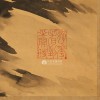
화면 우측 하단에는 '好花看到半開時(호화간도반개시)'라는 낙관이 찍혀 있습니다. 꽃은 완전히 피었을 때보다 반쯤 피었을 때가 가장 좋다는 뜻의 구절입니다. 너무 완벽하거나 극에 달한 상태보다, 여지가 남아있는 상태가 더 아름답고 즐겁다는 것을 의미합니다.
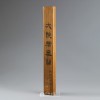
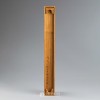
함께 전해진 목제함에는 ‘大院君墨蘭(대원군 묵란)’, ‘岡本氏珍藏(오카모토씨 진장)’, '門人小湖居士金應元觀(문인 소호거사 김응원 관)'이라는 글씨가 적혀 있습니다. 이를 통해 이 유물이 그의 제자인 소호 김응원(小湖 金應元, 1855~1921)에게 전해졌다는 점과 일본의 화가 오카모토 다로(岡本太郎, 1911~1996)가 소장했던 사실을 알 수 있습니다.
━━━━━
这是朝鲜王朝末期石坡李昰应(1821–1898年)所绘的一幅水墨《石兰图》。李昰应是朝鲜最后一位王高宗的父亲,以兴宣大院君之名广为人知。同时,他也是一位喜爱描绘兰花题材的书画家。
画面以水墨表现怪石之上生长的兰花。兰叶细长而尖锐,叶端锋利,以浓墨绘出。怪石的描绘相对简洁,却呈现出大胆而迅速的笔触。怪石表面通过墨色的浓淡变化表现出重量与质感,并与纤细、锐利而弯曲的兰叶形成对比的构图。
岩石与兰花是东亚文人画中常见的题材。岩石象征历经岁月而不改变的存在,因此被视为象征长寿与节操的意象。兰花则与梅、菊、竹并称为“四君子”,是表现君子高洁气节的重要题材。
画面右下方钤有“好花看到半开时”的印章。此句意为花朵在完全盛开之前、半开之时最为美好。其寓意在于,与其追求过于完美或达到极致的状态,不如保留余地的状态更显优雅与从容。
随作品一同传世的木制盒上写有“大院君墨兰”“冈本氏珍藏”“门人小湖居士金应元观”。由此可知,此作曾传至其弟子小湖金应元(1855–1921年)之手,并曾为日本艺术家冈本太郎(1911–1996年)所收藏。
━━━━━
This is an ink painting of orchids and rocks (Sumuk Seokrando) painted in the late Joseon dynasty by Seokpa Lee Ha-eung (1821~1898). Lee Ha-eung is known as the father of King Gojong, the last king of Joseon, and is widely known as Heungseon Daewongun. He was also well known as a painter and calligrapher who particularly enjoyed painting orchids.
The composition depicts orchids growing above a scholar’s rock, rendered in ink. The orchid leaves are long and slender with sharply pointed tips and are painted in dense ink. The rock is treated relatively simply, yet bold and rapid brushstrokes are evident. Tonal variations of ink are applied on the rock surface to add a sense of weight, creating a contrast with the thin and sharply curving orchid leaves.
Rocks and orchids are common subjects in East Asian literati painting. Rocks were regarded as symbols of longevity and integrity, representing a presence that remains unchanged through long periods of time. Orchids, together with plum blossom, chrysanthemum, and bamboo, form the 'Four Gentlemen(四君子)' and have long been depicted as symbols of the noble spirit of a virtuous scholar.
On the lower right of the painting appears the seal inscription '好花看到半開時' (It is best to see flowers when they are half in bloom). The phrase suggests that flowers are most beautiful not when they are fully opened but when they are only half in bloom. It conveys the idea that a state with room to grow rather than one that is perfectly complete or at its extreme is more beautiful and enjoyable.
A wooden box transmitted with the work bears the inscriptions '大院君墨蘭(Ink Orchids by the Daewongun)', '岡本氏珍藏(Collection of Mr. Okamoto)', and '門人小湖居士金應元觀(Viewed by the disciple Soho Geosa Kim Eung-won)'. These inscriptions indicate that the work was passed down to his disciple Soho Kim Eung-won (1855~1921) and that it was later owned by the Japanese artist Okamoto Taro (1911~1996).