청지 분채 화조문 반 > 국제관

본문 바로가기

중국 전시관

중국 고미술 상설전 

본문

작품 정보

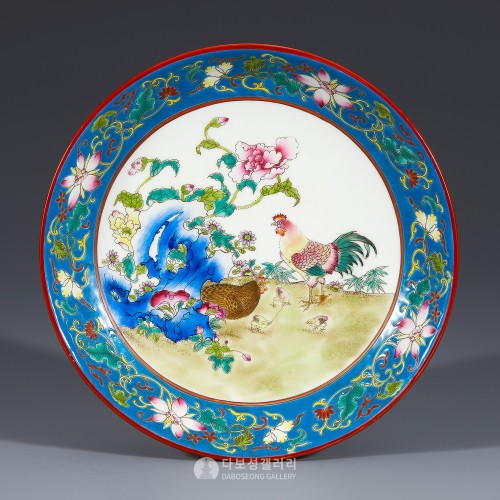
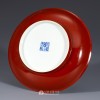
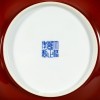
청나라 옹정 연간에 제작된 궁중 도자입니다. 청지(靑地) 바탕을 칠하고, 분채(粉彩)로 화조문을 화려하게 시문한 반입니다. 굽바닥에 ‘大清雍正年製(대청옹정년제)’ 관지가 있어 옹정제 시기에 제작되었음을 알 수 있습니다.


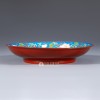
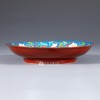
내면의 구연부에는 청색 바탕 위에 화훼당초문(花卉唐草紋)을 띠처럼 둘렀고, 황색·적색·녹색 등 다양한 색채를 사용하였습니다. 내저면에는 백색 바탕 위에 괴석과 모란, 닭과 병아리를 시문하였습니다. 외면은 문양 없이 적색 유약을 고르게 시유하였습니다.


문양은 분채 기법으로 시문되었습니다. 안료를 아교나 물에 풀어 여러 번 겹쳐 칠해 은은하고 입체적인 색감이 특징입니다. 윤곽선이 또렷하게 구분되면서 내부에서는 농담이 자연스럽게 이어집니다. 부드러운 색조와 채도가 높은 색이 병용되며 색 대비가 분명하게 나타납니다. 이러한 표현 방식은 옹정 연간 궁중 도자기의 특징입니다.


청색은 하늘과 자연의 질서, 국가의 안정과 번영을 상징합니다. 모란은 부귀와 영화를 뜻하며, 여성적인 아름다움과도 연결되어 황실 여성의 유물에 자주 등장합니다. 수탉은 용기와 힘을 상징하고 악령을 물리치는 존재로 여겨졌습니다. 수탉을 뜻하는 공계(公鷄)의 ‘공(公)’은 공로의 ‘공(功)’과, 울음을 뜻하는 ‘명(鳴)’은 명예의 ‘명(名)’과 발음이 같아 공명(功名)을 의미합니다. 이처럼 모란과 수탉을 함께 그린 문양은 부귀공명(富貴功名)을 기원합니다. 여기에 어미 닭이 병아리를 보살피는 모습은 가족의 화목과 자손의 번성을 상징해 길상적 의미가 깊은 유물입니다.


━━━━━


器物为宫廷用瓷器,于雍正年间烧造。以蓝釉为底,并以粉彩华丽描绘花鸟纹。器底署“大清雍正年製”款识,可知其为雍正时期的作品。


器内口沿处以蓝色为地,饰缠枝花纹,并添黄色、红色、绿色等多种色彩。内底以白色为地,描绘怪石、牡丹、公鸡与雏鸡。器物外壁不饰纹样,通体均匀施红釉。


纹样采用粉彩技法绘制。将颜料调以胶或水,反复叠加施彩,形成柔和而富有立体感的色彩效果。纹样轮廓清晰,内部色彩浓淡过渡自然。画面兼用柔和的色调与高饱和度的色彩,对比鲜明。这种表现方式体现了雍正时期宫廷瓷器的艺术特色。


蓝色象征天空与自然秩序,也寓意国家安定与繁荣。牡丹象征富贵荣华,亦与女性之美相关,因此常见于宫廷女性相关器物之上。公鸡象征勇气与力量,并被视为能够驱邪避祟的瑞禽。公鸡的“公”与功劳的“功”谐音,“鸣”与名誉的“名”谐音,因而寓意“功名”。因此,牡丹与公鸡组合的纹样寄托了“富贵功名”的美好愿望。此外,母鸡照料雏鸡的画面象征家庭和睦、子孙繁盛,器物蕴含了深厚的吉祥寓意。


━━━━━


This Qing imperial porcelain dish dates to the Yongzheng period. It features a blue ground decorated with floral and bird motifs in the famille rose palette. The base bears the mark “大清雍正年製” (Made in the Yongzheng reign of the Great Qing Dynasty), indicating its association with the Yongzheng period.

The inner rim is encircled by a band of floral scrolls against a blue ground, accented with yellow, red, green, and other colors. The interior well depicts scholar’s rocks, peonies, a rooster, and chicks against a white ground. The exterior is evenly covered with a red glaze and left undecorated.

The decoration is executed in the famille rose technique, in which pigments are applied in layers, traditionally mixed with a binding medium such as glue or water, to create subtle tonal gradations and a sense of depth. The outlines are clearly defined, while the colors within them transition smoothly from light to dark. Soft hues are combined with more saturated colors, creating distinct contrasts characteristic of imperial porcelain produced during the Yongzheng period.

Blue symbolizes the order of heaven and nature, as well as national stability and prosperity. The peony represents wealth and glory and is also associated with feminine beauty, appearing frequently on objects made for women of the imperial court. The rooster symbolizes courage and strength and was traditionally believed to ward off evil spirits. In Chinese auspicious symbolism, the word for rooster, gong (公), is a homophone of gong (功), meaning merit or achievement, while ming (鳴), meaning to crow, is a homophone of ming (名), meaning fame or honor. Together, the peony and rooster express the wish for fugui gongming (富貴功名), or wealth, success, and honor. The image of a mother hen tending her chicks further symbolizes family harmony and the flourishing of descendants, enriching the dish with auspicious meanings.
CONDITION
NOTICE
상담/문의 : 02- 730-5601 / 02- 730-7566