본문
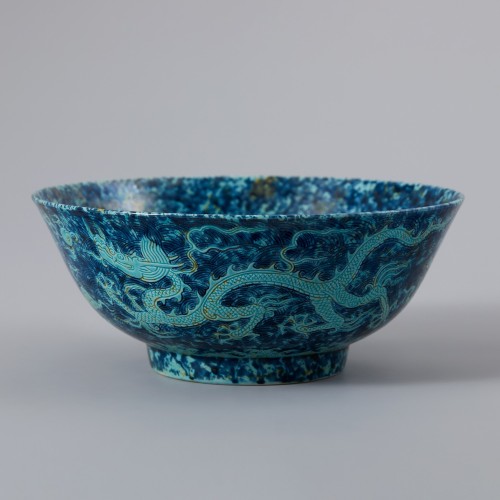
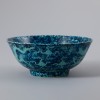
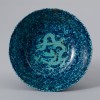
명나라 성화 연간(1464~1487)에 제작된 공작유(孔雀釉) 운룡문(雲龍紋) 발입니다. 구름 사이를 비상하며 여의주를 쫓는 용 문양이 음각되어 있으며, 그 위로 청록색 유약이 시유되어 맑고 깊은 색감을 드러냅니다. 공작새 깃털을 연상시키는 색감으로 인해 ‘공작유’라 칭합니다.
운룡문은 황제의 권위와 천명(天命)을 상징합니다. 특히 발톱이 다섯 개인 오조룡(五爪龍)은 황제를 상징하는 최고위 문양으로, 황실 전용 도자에서 발견됩니다. 생장을 상징하는 청색과 어우러져 길상 의미를 더욱 강조합니다.
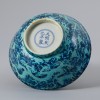
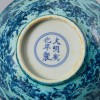
굽바닥에는 ‘大明成化年製(대명성화년제)’라는 명문이 시문되어 있어 제작 시기를 성화 연간으로 추정할 수 있습니다. 성화 연간은 단색유 채색 기술이 발전한 시기이며, 특히 청록·황색 유약이 널리 쓰였습니다.
정밀한 음각 문양, 공작유의 맑고 깊은 발색, 오조룡 문양, 명문 표기 등의 조합은 황실 유물의 성격을 나타냅니다. 발은 음식이나 다과 등을 담는 용기로 사용되었으며, 궁정에서는 연회나 진설용으로 활용되었을 것으로 보입니다. 또한, 유물 입수 당시 표면 일부에서 토양 잔여가 확인되었으며, 이는 부장과 관련된 흔적으로 추정됩니다.
此为明成化年间(1464–1487年)制作的孔雀釉云龙纹钵。器身以阴刻技法刻画云间飞腾、追逐如意珠的龙纹,其上施以青蓝色釉,呈现出清澈而深邃的色感。因其色泽宛如孔雀羽毛,故称“孔雀釉”。
云龙纹象征皇帝的权威与天命。其中,五爪龙为最高等级的龙纹,专属于皇帝,通常见于皇家御用瓷器之上。其与象征生机的蓝色相结合,增添吉祥寓意。
器物底部刻有“大明成化年製”款识,推测其制作年代为成化年间。成化时期为单色釉工艺发展的重要阶段,尤以蓝绿、黄色釉广泛应用。
整体精细的阴刻纹饰、孔雀釉清澈深沉的发色、五爪龙纹以及款识等要素的结合,体现出其皇家器物的属性。此类钵多用于盛放食物或点心,在宫廷中可能用于宴饮或陈设之用。此外,器物入藏时其表面局部发现有土壤残留,推测可能与随葬有关。
This is a dish with a peacock-green glaze, decorated with a cloud-and-dragon design, produced during the Chenghua reign (1464–1487) of the Ming dynasty. A dragon chasing a flaming pearl among clouds is incised on the surface, and a bluish-green glaze is applied over it, producing a clear and deep color tone. The glaze is referred to as “peacock glaze” due to its resemblance to the color of peacock feathers.
The cloud-and-dragon motif symbolizes imperial authority and the Mandate of Heaven. In particular, the five-clawed dragon represents the emperor and appears on imperial wares. Combined with the blue-green tone associated with growth, the auspicious meaning is further emphasized.
On the base, the inscription “Made in the Chenghua reign of the Great Ming” (大明成化年製) is present, indicating the period of production. The Chenghua reign is known for the development of monochrome glaze techniques, with blue-green and yellow glazes widely used.
The combination of finely incised decoration, the clear and deep tone of the peacock glaze, the five-clawed dragon motif, and the presence of the inscription reflects its imperial character. The dish was used as a vessel for serving food or refreshments, and it is considered to have been used for banquets or ceremonial presentation in the court. At the time of acquisition, traces of soil residue were observed on parts of the surface, suggesting possible association with burial contexts.